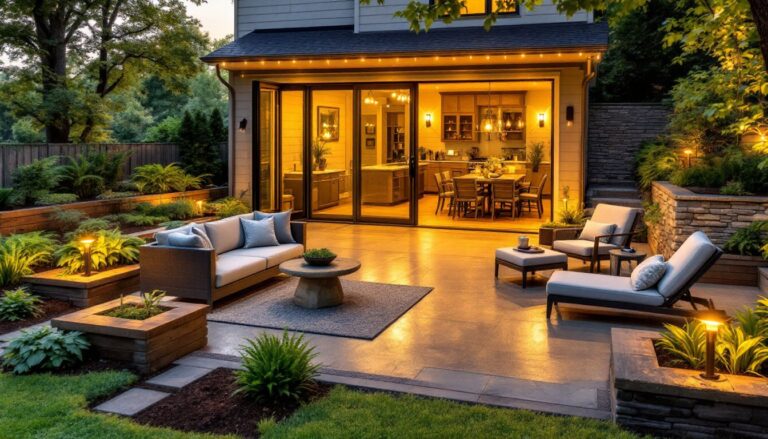
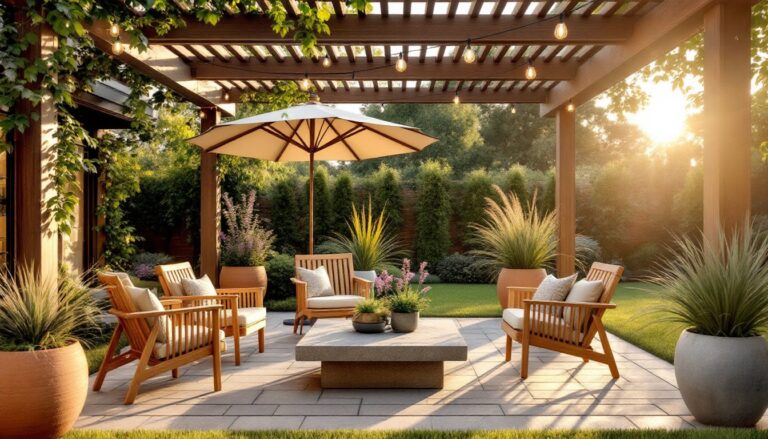
A 10×10 patio is the sweet spot for outdoor living, large enough to feel like a real retreat, compact enough to fit most backyards without major structural work. Whether you’re starting from scratch or refreshing an existing space, good planning transforms a modest footprint into a functional, inviting area where families gather and memories happen. The key isn’t square footage: it’s thoughtful layout, smart furniture selection, and finishing touches that make the space feel intentional. This guide walks through seven practical design approaches, furniture strategies, and styling ideas to help homeowners and DIYers maximize their 10×10 patio.
Table of Contents
ToggleKey Takeaways
- A 10×10 patio requires intentional zoning and clear sightlines to avoid a cramped feeling, with distinct zones defined by rugs, planters, or strategic furniture placement.
- Scale and sight lines are critical—choose low-profile furniture with open legs and avoid oversized pieces that dominate compact spaces.
- L-shaped seating arrangements and round dining tables maximize utility and conversation in 10×10 patio layouts while maintaining traffic flow.
- Layer decor with cohesive color palettes, outdoor rugs, weather-resistant textiles, and vertical plant groupings to transform a utilitarian space into an intentional outdoor room.
- Functional additions like shade structures, storage benches, and modest heating or cooling elements extend usability and prevent clutter from overwhelming a small footprint.
Small Patio Layout Tips for Maximum Impact
The success of a 10×10 patio hinges on intentional zoning and flow. Start by identifying the patio’s primary purpose: Is it a gathering space, a dining area, a quiet retreat, or a combination? Once you’ve answered that, the rest follows naturally.
Measure twice and account for fixed elements first, existing trees, doors, shade structures, or utility clearances. These anchors dictate what’s actually available for seating and movement. In a 100-square-foot space, every placement matters. Most standard patio tables (36 to 48 inches) require at least 60 inches of clearance on all sides for comfortable seating and traffic flow: plan accordingly.
Clear sightlines reduce the feeling of cramping. Avoid pushing all furniture to the edges like a waiting room: instead, define distinct zones with area rugs, planters, or strategic placement. A corner bistro set plus a lounge chair in the opposite corner occupies less visual space than five chairs clustered in the center. When designing small patios, vertical elements, wall-mounted planters, trellises, overhead lattice, add interest without eating floor space.
Lighting and shade matter as much as furniture. Even a simple pergola or market umbrella signals that the patio is a deliberate destination, not just leftover yard. Evening functionality depends on overhead lighting, solar string lights, recessed path lights, or a small pendant fixture all work. Test layouts in the actual space with temporary objects (cardboard boxes, lawn chairs, coolers) before committing to permanent pieces.
Furniture Arrangement Strategies for 10×10 Patios
Furniture selection and placement define whether a small patio feels generous or cluttered. Scale matters immensely, an oversized sectional that fits a 20×20 patio will dominate a 10×10. Look for pieces with clean lines and open legs (not skirted bases): they visually “disappear” and allow sight lines through the space.
L-Shaped Seating for Conversation and Comfort
An L-shaped seating arrangement works exceptionally well in compact patios. Place a 4-person lounge sectional or two love seats at a right angle, creating natural conversation zones without eating the full perimeter. This setup accommodates six to eight people comfortably, leaves an open traffic path, and centers attention inward rather than scattering focus around the edges. The corner nook also creates a cozy focal point that makes the space feel intentional and designed.
If budget or space is tight, two quality lounge chairs plus a small side table replicate the same effect at a fraction of the footprint. Avoid overstuffed pieces with deep seats: choose low-profile outdoor furniture that maintains sight lines and feels airy.
Dining-Focused Configurations
For patios where eating is the primary function, a round or square dining table (36 to 48 inches) paired with four to six chairs maximizes utility. Round tables are especially smart for small spaces, they eliminate sharp corners, allow people to slide in more freely, and feel less formal than rectangular tables. Pair a dining setup with a small standalone seating zone (two chairs and a side table) in the opposite corner, and you’ve got a versatile space for entertaining or quiet evenings.
If the patio serves dual duty, dining plus lounge, commit to one primary function and make the other secondary. A 4-person dining table with folding or stackable chairs leaves room for lounge seating. Many DIYers succeed with furniture that multitasks: an ottoman that doubles as a table or extra seat, benches with storage underneath, or collapsible seating that stores vertically. Exploring multiple 10×10 patio configurations reveals that the most flexible layouts use modular or lightweight pieces that adapt to seasonal entertaining or changing household needs.
Decor and Styling Ideas to Enhance Your Patio
Styling elevates a utilitarian patio to a true outdoor room. Start with a cohesive color palette, typically two neutrals (gray, beige, charcoal, cream) plus one accent color (deep teal, terracotta, sage green, navy). Consistency in this palette across furniture, textiles, and decor ties the space together and makes it feel intentional.
Outdoor rugs anchor furniture groupings and define zones visually. A 4×6-foot or 5×8-foot rug under a seating or dining area grounds the arrangement: it doesn’t need to be expensive, but it should be rated for outdoor use (polypropylene or solution-dyed acrylic, not natural fibers that rot). The rug also softens underfoot comfort and adds warmth.
Textiles matter. Weather-resistant throw pillows and blankets add softness and color without clutter. Keep patterns minimal, one geometric or patterned pillow per seat, paired with solids, to avoid a chaotic feel in tight quarters. Swap pillow covers seasonally to refresh the look without replacing furniture.
Plant groupings create vertical interest and soften hardscaping. Mix heights and textures: a tall ornamental grass in a large planter, trailing vines on a trellis, and medium-height perennials in clusters. Group odd numbers of pots (3 or 5) rather than pairs: it’s more visually dynamic. Draped string lights or a installed solar pendant adds ambiance and extends usability into evening hours, making the patio feel like a destination at dusk.
Minimal hard decor (a small water feature, lantern, or garden sculpture) adds personality without hogging space. The key is restraint, in 100 square feet, one strong visual element beats five competing ideas. Gardenista’s outdoor living guides showcase how thoughtful plant placement and simple decor transform compact spaces into destinations.
Functional Additions for Everyday Use
Beyond furniture and decor, functional features determine how much a patio actually gets used. Shade is non-negotiable in most climates. A retractable awning, pergola, or large patio umbrella extends afternoon usability and provides comfort during peak heat. Fixed shade structures (pergolas, shade sails) are permanent but worth the investment if budget allows: retractable or freestanding options offer flexibility.
Cooling and refreshment elements matter. A small side table holds a beverage cooler, water pitcher, or outdoor speaker: not everyone needs a built-in bar, but a designated “beverage station” keeps people comfortable and reduces trips inside. A misting fan ($30–$80) is a game-changer in hot climates, and it’s surprisingly effective even in moderate heat.
Storage prevents clutter accumulation. An outdoor storage bench or weatherproof deck box houses cushions, garden tools, and seasonal decor. In a small footprint, every item visible creates visual noise. Dedicated storage keeps the patio clean and organized, which in turn makes the space feel larger.
Outdoor rugs require occasional brushing and rinsing: a low-pressure hose works fine. Furniture should be wiped down seasonally and stored or covered in harsh weather. Most DIYers find that simple maintenance, 10 minutes weekly, keeps outdoor spaces guest-ready. Paint or stain the patio surface itself every 2–3 years for sealed concrete, or annually for wood decks, to prevent mildew and deterioration.
Heating extends shoulder-season use. A tabletop fire bowl or small patio heater (electric or propane) makes April and September evenings comfortable without a major installation. Most are affordable ($100–$300) and portable, fitting the flexible nature of small patio living.
Conclusion
A 10×10 patio succeeds when every element serves a purpose. Smart layout, scaled furniture, thoughtful decor, and functional additions combine to create a space that feels spacious, inviting, and used regularly. Start with the layout that matches your lifestyle, dining, lounging, or mixed, then layer in furniture and finishes that enhance without overwhelming. The constraint of square footage forces intentional design, which often results in patios that feel more polished than larger spaces. Plan thoughtfully, prioritize what matters most, and create an outdoor room your household actually gathers in.