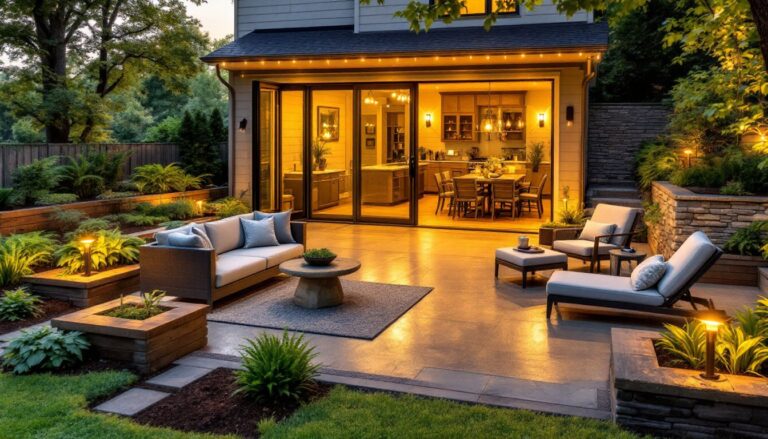
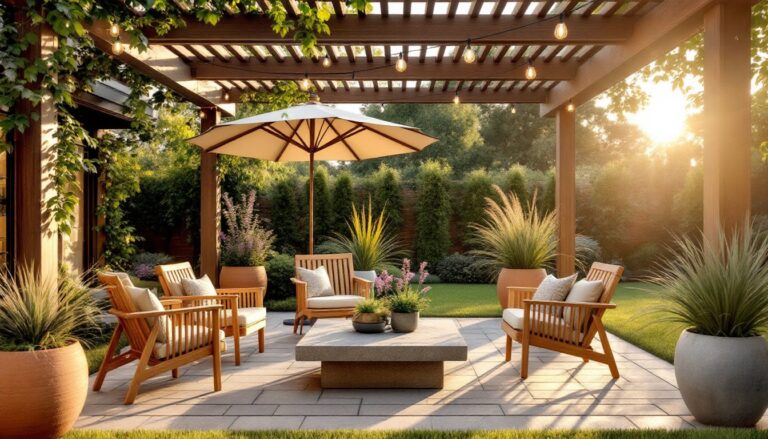
A 10×10 deck is the goldilocks size for backyard transformations, large enough to host gatherings or create a genuine outdoor room, yet manageable for DIY builders without very costly. Whether you’re working with a tight budget, a small lot, or just starting your first major outdoor project, the right design can maximize functionality and style. From composite materials that slash maintenance to multi-level platforms that add drama, these seven 10×10 deck ideas offer practical blueprints you can adapt to your site’s specific conditions, building codes, and aesthetic preferences. Each approach prioritizes smart material choices, efficient layouts, and construction techniques that homeowners can tackle with standard tools and realistic timelines.
Table of Contents
ToggleKey Takeaways
- A 10×10 deck offers the ideal balance between functionality and manageability, allowing homeowners to create outdoor living spaces with standard tools and realistic budgets starting at $600–$1,800 depending on materials.
- Composite decking eliminates annual staining and reduces maintenance compared to wood, making it a cost-effective choice for pressure-treated joists and integrated seating in modern 10×10 deck designs.
- Multi-level platform decks and pergola shade structures add visual depth and usability to a 10×10 deck without requiring a full second story, with proper stair codes and frost-line footings essential for safety.
- Low-maintenance composite or pressure-treated materials should be paired with proper joist spacing (16-inch centers, 12-inch for heavy snow), frost-safe concrete piers, and local building code compliance to ensure decade-long durability.
- Smart space planning—such as zoning seating areas, installing wall-mounted shelves, and using lightweight furniture—maximizes the functionality of a 10×10 deck layout for entertaining small groups.
- Whether choosing rustic wood finishes, modern minimalist designs, or tropical shade elements, the foundation of any successful 10×10 deck project starts with solid planning, proper permits, and front-end site preparation.
Classic Composite Deck With Integrated Seating
Composite decking, wood-plastic blends like Trex or Fiberon, eliminates annual staining and reduces long-term upkeep without the premium price tag of premium composites. A 10×10 composite deck paired with built-in benches along one or two sides creates a finished, intentional look while saving money on separate furniture.
Start with pressure-treated joists on 16-inch centers (or 12-inch if you’re in a heavy-snow zone: check local code). Composite decking runs roughly $8–12 per square foot installed, so your 100-square-foot deck will run $800–1,200 in material before fasteners. Benches sit atop the rim joist and can be framed with 2×12 boards, topped with the same composite decking for a cohesive finish. No stain, no splinters, no grey wood after one winter.
Build benches 16–18 inches tall for comfortable seating, with structural backing every 4 feet to prevent sag. Use pressure-treated lumber for the hidden framing and composite on all visible surfaces. Composite is heavier than wood, so confirm your joist spacing and post footings are up to code, most jurisdictions require 42-inch-deep concrete piers below the frost line. Safety note: wear eye protection when cutting composite decking: splinters still happen, and saw dust can irritate.
Multi-Level Platform Deck for Visual Interest
A two-level platform deck, perhaps a 6×10 upper level connected to a 10×10 lower level, creates visual depth and separates zones (lounge up top, dining below) without the cost of a full second story. The step down also saves material: you’re not building one massive 10×10 base.
The upper platform sits on posts 12–18 inches above grade, while the lower deck is closer to ground level (usually 8–12 inches, depending on local drainage codes). A wider staircase, at least 36 inches, connects the two. Build the upper level first, using doubled-up rim joists for strength and to hide the connection points with the stairs.
Framing is straightforward: posts on concrete footings (check frost line depth for your region), beams, joists, and decking boards running perpendicular to traffic flow. If you use pressure-treated framing and composite decking, budget roughly $1,500–1,800 in materials. The hardest part is ensuring all stairs meet rise and run codes (typically 7–8 inches rise, 10–11 inches run per step). Many DIYers call in a contractor for stairs alone, and that’s smart, a misstep is a liability issue. Safety first: don’t fudge the math.
Tropical Paradise Deck With Shade Elements
Hot climates demand shade. A pergola or louvered roof structure over half your 10×10 deck cuts UV exposure and makes the space usable all day. You don’t need a full roof, a 5×10 pergola attached to the deck and anchored to posts sunk 3 feet into the ground works beautifully and costs $400–800 in lumber.
Frame the pergola with pressure-treated 4×4 posts and 2×10 beams: roof it with 2×4 or 2×6 rafters spaced 18 inches apart, then add shade cloth or polycarbonate panels overhead. Polycarbonate (Palram or similar brands) offers better durability than cloth and costs roughly $3–5 per square foot installed. A 5×10 area means about 50 square feet, so expect $150–250 in panels plus fasteners and flashing.
Plant vines along one side (clematis, passion flower) to add living texture. On the unshaded end of your deck, add a fire table or small hot tub to leverage the cooler morning shade. Community deck projects like Linzy’s outdoor play escape show how creative layering of structures and plants creates resort-like retreats on a typical budget. Wear gloves and eye protection when installing polycarbonate: the material can have sharp edges.
Modern Minimalist Deck Design
Less is more. A modern 10×10 deck strips away railings, steps, and ornament, sitting low to the ground (8–10 inches) with no perimeter rail and clean sight lines. This works best on flat lots and requires a mature landscape to feel finished, not sparse.
Material-wise, choose one primary decking type (all composite, all cedar, or all pressure-treated) and stick with it. Pairing darker composites with polished concrete or gravel bordering the deck creates that intentional, gallery-like feel. Many modern decks forgo railings by keeping the deck low, check your local code, as most jurisdictions waive railings if the deck is under 30 inches above grade. If your deck is higher, you’ll need 42-inch balusters spaced 4 inches apart: skip that and you’re liable if someone falls.
Build on ground-level footings (frost-safe blocks or piers) with no stairs. Install ipe or composite decking in one direction, no pattern, no borders. Budget roughly $1,000–1,300 in materials, with the savings coming from fewer posts, no rails, and no stairs. The trade-off: this look requires immaculate site prep (sod removal, gravel raking, furniture placement) or it reads as unfinished. Put in the front-end work.
Rustic Wood Deck With Natural Finishes
Pressure-treated pine or cedar boards give that warm, classic deck feel and cost less than composite. A 10×10 deck in untreated or lightly finished wood runs $600–1,000 in decking material alone. The catch: you’ll apply exterior stain or sealer every 2–3 years, a 4-hour job with a brush or sprayer.
Choose boards at least 5/4 thick (true 1.25 inches) to resist cupping and splitting. Cedar looks beautiful but is softer and needs more frequent sealing. Pressure-treated southern pine is tougher and cheaper. Install 16-inch on-center joists (12-inch if snow load is high), using hot-dipped galvanized or stainless fasteners to avoid rust stains bleeding through the wood. Space deck boards 1/8 inch apart (roughly a dime’s width) for water drainage.
If you want texture, consider a dado or shadow-line detail, a recessed groove milled into the underside of boards every 16 inches. Resources like The Handyman’s Daughter offer step-by-step tutorials on finishing techniques. Always wear a respirator when sanding, and gloves during stain application. Budget 2–3 weekend days for build, then plan annual maintenance as part of home upkeep, not a burden.
Small-Space Entertainment Deck Layout
Ten-by-ten is tight if you’re seating six people and grilling. Zone the deck: one half for a small table and four chairs, the other for a compact grill or beverage station. Use lightweight furniture and stow cushions in a waterproof box under the deck or in a nearby shed.
Install one bench along the longest edge (say, the 10-foot side) running the full length, paired with a small table facing it. Add a bistro table and two chairs at a corner for a break-out spot. A 28-inch-diameter gas grill fits in the remaining 5-foot corner without dominating the space. The key is vertical thinking: wall-mounted shelves, hanging planters, and overhead string lights draw eyes up and make the deck feel larger.
Material choice matters in tight layouts. Composite is darker and can make small spaces feel cramped: lighter pressure-treated wood (especially knotty pine) feels more open. Finish the edges with a 1×6 or 1×8 fascia board and paint it a soft grey or white to reduce visual weight. Budget $1,200–1,500 all-in for a well-executed small-space deck with integrated seating and finishing trim. Measure twice, build once, with 100 square feet, every inch counts.
Conclusion
A 10×10 deck is your entry point to outdoor living. Whether you choose composite for low maintenance, add shade for hot climates, build multi-level platforms for drama, or keep it rustic and warm, the foundation is solid planning: frost-safe footings, proper joist spacing, and building code compliance. Get permits if required, it’s not bureaucracy, it’s liability insurance. Start with a sketch, source materials, grab a helper, and build something that’ll be standing and loved for two decades.