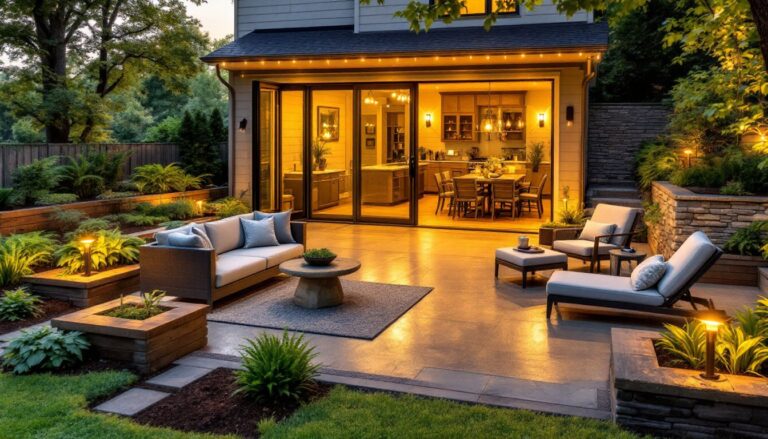
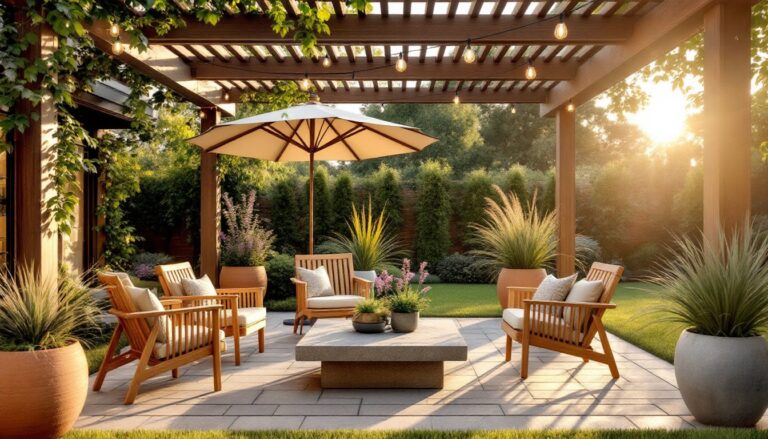
A patio is an extension of your home, the space where you entertain, relax, and soak in the season. Too often, homeowners treat their outdoor areas as an afterthought: a concrete slab with a couple of chairs. But with thoughtful patio decorating ideas, you can turn that blank slate into a genuinely inviting retreat that feels intentional and lived-in. Whether you’re working with a postage-stamp balcony or a sprawling deck, the right combination of lighting, seating, plants, textiles, color, and shade transforms how you experience your outdoor space. Here are seven practical strategies to help you decorate your patio like you mean it.
Table of Contents
ToggleKey Takeaways
- Outdoor patio decorating ideas transform a blank concrete slab into an inviting retreat by layering lighting, seating, plants, textiles, color, and shade solutions.
- Strategic outdoor lighting using weatherproof LED string lights, task lighting, and solar options extends your patio’s usable hours while setting the mood for different occasions.
- Arrange furniture in conversational groupings around focal points rather than grid patterns, and choose materials like teak, cedar, or weather-resistant cushions suited to your climate.
- Plants and greenery soften hard edges and add visual depth—use varying heights, container arrangements, and drought-tolerant or shade-loving varieties based on your sun exposure and hardiness zone.
- Layer textiles such as quality outdoor cushions, throws, and properly-sized rugs to create visual richness, define seating zones, and add seasonal color swaps without replacing furniture.
- Introduce personality through a cohesive color palette applied to cushions, planters, and accent pieces, while functional items like fire pits and storage benches work harder than purely decorative decor.
- Shade solutions—from permanent pergolas to adjustable retractable awnings and budget-friendly umbrellas—protect fabrics, extend usability, and are essential to a well-designed outdoor living space.
Add Warmth With Outdoor Lighting
Outdoor lighting does more than illuminate, it sets the mood and extends your patio’s usable hours well into the evening. String lights draped overhead are a tried-and-true choice, casting a soft glow that feels more intimate than bare bulbs. For durability, go with weatherproof LED string lights rated for outdoor use: they run cooler, last longer, and won’t shatter if a branch hits them.
Layered lighting works best. Combine overhead elements (string lights, hanging fixtures) with task lighting (wall-mounted sconces, path lights) and ambient options (solar-powered stakes, lanterns). This approach lets you adjust the mood depending on whether you’re hosting a dinner party or just reading a book.
Wall-mounted or pendant lights anchored to your house or a pergola provide brighter illumination without the sagging wires. Recessed deck lights along stairs or edges are low-key but functional, they improve safety while staying visually quiet. If you’re handy with basic electrical work and your patio is within a reasonable distance from an exterior outlet, you can run GFCI-protected circuits yourself, but hard-wired fixtures should go to a licensed electrician to meet NEC code requirements.
Solar lights are budget-friendly and require no wiring, though they’re dimmer and less reliable on cloudy days. For consistent brightness, battery-powered LED lights in lanterns or hanging fixtures are a middle ground. Just check batteries regularly and budget for replacements.
Create Inviting Seating Areas
A patio without comfortable seating is just a platform. Arrange your furniture to encourage conversation and relaxation, not to fill space in a grid pattern. Grouping chairs and a side table around a fire pit or focal point feels intentional: scattering matching pieces everywhere feels sterile.
Choose furniture built for your climate. Teak and cedar age gracefully and resist rot. Aluminum frames with weather-resistant cushions work well in humid regions. Metal rusts faster in coastal areas, so powder-coated or stainless steel options last longer. Synthetic wicker holds up better than natural rattan in harsh weather, though either option can work if you commit to seasonal storage or covers.
Mix and match styles thoughtfully. A wooden dining table pairs naturally with metal chairs or woven benches. Don’t feel locked into one material or brand, eclectic seating clusters feel more relaxed and inviting than matching sets. Add an ottoman or low stool for footrests: they’re functional and easy to move when you need extra seating.
Don’t underestimate scale. A single oversized chaise or sectional can anchor a small patio better than three smaller chairs. Conversely, a sprawling lawn benefits from multiple seating zones, a lounge area near the house, a dining zone center stage, and a reading nook at the edge. This creates a sense of progression and purpose.
Incorporate Plants and Greenery
Plants breathe life into a patio and soften hard edges. Containerized plantings let you arrange greenery without committing to in-ground beds, and you can swap plants seasonally or move them as the sun shifts. Use varying heights, tall ornamental grasses in the back, trailing vines spilling from elevated planters, low groundcover in front, to create visual depth.
Choose plants suited to your hardiness zone and sun exposure. A south-facing patio bakes: go with drought-tolerant plants like agave, Russian sage, or native sedums. North-facing or shaded patios need shade-lovers such as hostas, ferns, or coral bells. Herbs (rosemary, lavender, basil) double as decoration and kitchen ingredients, so they earn their spot. Before planting, check your local hardiness zone and understand whether you’re in a wet or dry climate: mismatches cause more failures than poor care.
Vines on trellises provide natural shade and a green backdrop without taking up floor space. Clematis, climbing hydrangea, and honeysuckle are reliable choices in temperate zones. Train them over a pergola or fence to create privacy while adding texture. Use a sturdy trellis system anchored well, wind and heavy vine growth impose real loads.
Western living spaces, as featured in regional guides, often embrace drought-resistant plantings and xeriscaping principles. Container placement matters: group pots of varying sizes together rather than spreading them thin: it reads as more intentional and creates a cohesive planted area.
Layer Textiles for Comfort and Style
Outdoor cushions and throws are easy wins for comfort and color. Quality outdoor fabrics resist fading and mildew better than indoor textiles, look for solution-dyed acrylic or Sunbrella-type fabrics that won’t rot or discolor. These cost more upfront but outlast cheaper alternatives by years.
Add variety in texture: a linen throw over a chair, a patterned pillow on a bench, a jute runner on decking. Layering textiles creates visual richness and makes a space feel furnished rather than decorated. Swap out cushions seasonally to refresh the look without replacing furniture.
Rugs anchor seating areas and define zones, even outdoors. Outdoor rugs (typically made of synthetic fibers or natural materials treated for weather resistance) come in various weaves and colors. Size matters, a small rug under a few chairs feels proportional: too small and it looks like an afterthought. For a 12×12-foot seating area, aim for at least a 8×10 outdoor rug.
Storage benches serve double duty: seating plus a place to stash cushions, blankets, and toys out of sight. During off-season, proper storage extends the life of outdoor textiles and keeps your patio looking intentional even when closed up.
Use Color and Accent Pieces
Color is the quickest way to inject personality. A neutral patio (grays, whites, beiges) feels calm and sophisticated, but it can also feel cold. Introduce color through cushions, planters, and accessories, these are easy swaps if you change your mind.
Choose a color palette and stick to it. Two or three main colors (plus neutrals) feel cohesive: too many competing hues look chaotic. Coastal patios often feature blues and sandy tones: Mediterranean spaces lean warm (terracotta, ochre, deep greens): contemporary designs favor bold jewel tones or warm grays. Southern outdoor living spaces often embrace rich greens, soft blues, and warm wood tones that reflect regional landscapes.
Accent pieces, a bold planter, a painted side table, decorative outdoor pillows, add character without overcommitting. Swap them seasonally to keep the space fresh. Metal accents (copper, brass, wrought iron) catch light and add visual texture. Wood elements (a wooden plant stand, a drift wood branch in a vase) feel organic.
Don’t overlook functional pieces as decor: a beautiful fire pit bowl, a woven basket for throw blankets, a rolling cart stocked with beverages and glasses. These work harder than purely decorative items and anchor your space’s purpose.
When selecting colors and styles, consider how your patio flows from your interior. Does your home’s palette suggest warm or cool tones? Pulling one interior accent color into your patio creates visual harmony without forced matching.
Define Your Space With Shade Solutions
Shade isn’t just comfort, it’s functional. Harsh midday sun makes patios unusable and fades fabrics and cushions. A mix of permanent and seasonal shade gives you flexibility.
Pergolas (open-roof structures, typically with parallel slats or lattice) provide dappled shade and a strong architectural element. They’re heavy-duty projects: posts must be sunk 24–30 inches into concrete footings, and the structure should be sized for snow and wind loads in your region. Check local building codes: anything permanent and over a certain size may need a permit. A handyman can handle basic pergola installation, but structurally complex designs deserve an engineer’s review.
Shade sails (tensioned fabric canopies) are lighter-weight alternatives that install faster. They’re attractive, adjustable for sun angle, and removable, but they require solid anchor points (posts, walls, trees). Wind-resistant models cost more but won’t flap or deteriorate quickly.
Woven shade cloths draped overhead provide temporary relief and can be rolled up seasonally. Retractable awnings offer precision: extend them when the sun’s hot, retract them to enjoy views or let light in. They’re a real investment ($2,000–$5,000 installed) but add living space and property value if done right.
For fast results, large market umbrellas or cantilever umbrellas on sturdy bases cast immediate shade without installation fuss. Trade-off: they’re less durable in high winds and require base weights (concrete pavers or water weights, typically 50+ pounds) to stay stable. A comprehensive patio design guide can help you match shade solutions to your home’s architecture and climate.
Conclusion
Transforming your patio into a genuine outdoor room doesn’t require a massive budget or a complete overhaul. Start with the elements that matter most to your lifestyle: if you entertain, prioritize seating and shade: if you’re a plant person, lean into greenery: if you spend evenings outside, invest in lighting. Layer on textiles, color, and thoughtful accessories, and your patio becomes a place you actually use, not just a decorated backdrop.