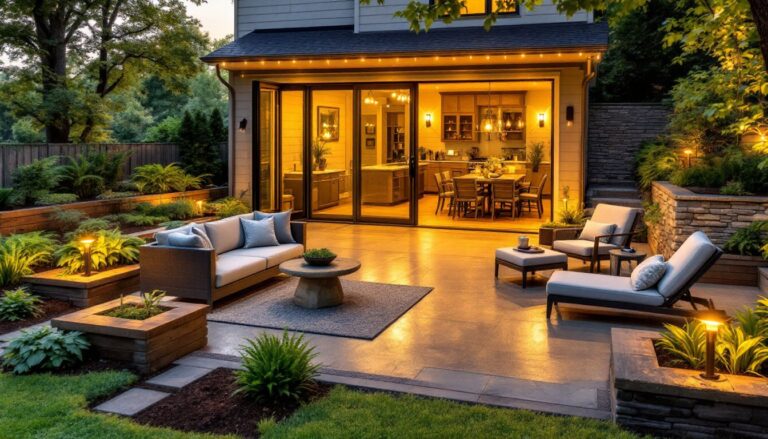
A back porch is often the most underutilized real estate on a home, a space with potential that gets missed while people focus on front curb appeal or interior renovating. But here’s the thing: your back porch can become the outdoor room your family actually uses year-round. Whether you’re working with a sprawling deck or a modest concrete slab, smart patio ideas transform that neglected corner into a place where you’ll spend weekend mornings, host summer dinners, and watch the seasons change. This guide walks you through eight practical approaches to creating a functional, comfortable back porch that matches your style and budget, without the Pinterest fantasy that falls apart in real weather.
Table of Contents
ToggleKey Takeaways
- Transform your back porch patio ideas into a functional outdoor room by prioritizing durable seating that encourages people to stay and gather comfortably.
- Layer shade solutions like pergolas, retractable awnings, and umbrellas to make your patio usable during hot summer months and year-round.
- Strategic lighting with ambient, task, and accent options extends your patio’s usability well past sunset and creates inviting evening ambiance.
- Choose flooring based on durability and maintenance needs—from economical concrete and permeable pavers to composite decking, each option offers distinct advantages.
- Incorporate vertical plantings, container gardens, and low-level landscaping to add privacy, soften hard edges, and transform a stark patio into an inviting outdoor space.
Define Your Space With Comfortable Seating Arrangements
The foundation of any usable patio is seating that actually works for your climate and lifestyle. Comfortable seating isn’t just about aesthetics, it’s what determines whether people sit down and stay, or pass through and head back inside.
Start by choosing durable furniture designed for outdoor use. Teak, cedar, and powder-coated metal frames withstand weather far better than untreated wood or basic lawn chairs. A basic sectional or conversation set (four chairs around a small table) handles most gatherings without monopolizing space. If your back porch is tight, opt for built-in benches along edges paired with moveable chairs for flexibility.
Consider your climate zone. In humid or rainy regions, materials with quick-dry properties prevent water pooling and mold. Look for high-density foam cushions (not cotton or down) and solution-dyed outdoor fabrics rated for UV and moisture resistance. Brands like Sunbrella or similar performance fabrics hold color and resist mildew far better than standard indoor textiles.
Layout matters more than square footage. A wraparound bench with a fire table in the center creates conversation naturally. A single long sofa facing views works for smaller spaces. Avoid the common mistake of pushing all furniture to the perimeter, it creates dead space and discourages use. Leave 24-30 inches between seating pieces and tables for legroom and traffic flow.
Add Shade Solutions for Year-Round Enjoyment
Shade transforms a back porch from unusable in summer heat to genuinely comfortable. Without it, even a beautifully designed space sits empty when temperatures spike.
Pergolas and Arbors for Natural Shade
A pergola (an open latticed roof structure) filters sunlight while still allowing airflow, making it ideal for hot, humid climates. The slats don’t provide complete shade, about 50% reduction on a typical design, but paired with climbing vines like clematis or jasmine, they deliver both coverage and visual interest. Expect to invest $1,500–$5,000 installed for a 12×12-foot structure, depending on materials and local labor rates.
Arbors work for smaller spaces and typically frame an entry or seating nook rather than cover a whole patio. They’re less expensive (often under $500 for a quality freestanding unit) but provide minimal shade without vegetation. If shade is your primary goal, a pergola or arbor works best as part of a layered approach, pair it with a retractable solution for midday peaks.
Building codes vary by jurisdiction, but permanent shade structures over 10×10 feet often require a permit and must meet local snow and wind load requirements. Check with your local building department before committing to design. Footings need to go below the frost line (typically 36-48 inches in northern zones) to prevent frost heave.
Retractable Awnings and Umbrellas
Retractable awnings give you control over shade without blocking views or breezes on cooler days. A motorized model ($1,500–$3,500 installed) retracts completely when not needed and can be programmed to open and close automatically based on sun position or temperature. Manual versions ($400–$1,200) require a crank but cost less and have fewer mechanical parts to fail.
Umbrellas suit smaller spaces and budget constraints. A 9-10 foot cantilever or offset umbrella ($300–$800) lets you adjust shade throughout the day without pillars blocking sightlines or seating. Anchor it securely, a full tank or concrete base prevents tipping in wind. Patio umbrellas rated for commercial use handle wind better than residential-grade models, though any umbrella should be lowered during gusts above 20 mph.
Incorporate Lighting for Evening Ambiance
The second a sun dips below the horizon, an unlit back porch becomes wasted space. Layered lighting extends your patio’s usefulness well past sunset and creates the mood that makes people actually want to linger.
Start with ambient lighting for basic visibility. Soffit-mounted or low-voltage path lights (3-5 watts LED) define edges and walkways safely. String lights or Edison bulbs draped overhead add warmth without harsh brightness. These are small watts but create huge atmosphere, expect them to run on standard 15-amp circuits or battery-powered solar options.
Add task lighting where needed. A dimmable overhead fixture or hanging pendant near a dining area lets you eat comfortably without turning the whole porch into a stadium. For reading or detail work, aim for 500+ lumens: for ambient only, 200-300 lumens is plenty.
Accent lighting highlights plants, water features, or architectural details. A simple LED uplight tucked at the base of a tree or trained on a pergola changes perception of the entire space with minimal wattage. Most outdoor lighting runs on 12-volt low-voltage systems for safety and flexibility. For permanent fixtures, a licensed electrician can run wiring from your main panel (usually required by code for permanent installations). Many homeowners successfully install temporary string lights and solar-powered options without permits, but verify local rules first.
Choose Durable Flooring and Ground Materials
What your patio sits on affects durability, maintenance, safety, and aesthetics more than most homeowners realize. Existing concrete is workable but not your only option.
Concrete is economical ($6-12 per square foot installed) and straightforward to clean, but it cracks, holds water, and can feel institutional. A concrete sealer ($0.50-$2 per square foot) protects against staining and weathering and should be reapplied every 2-3 years. A thin decorative overlay (a colored polymer topping) refreshes cracked concrete for $8-$18 per square foot.
Pavers (stone, porcelain, or concrete) cost $12-$25 per square foot installed but allow drainage, replace individual units, and offer endless design flexibility. Permeable pavers are growing in popularity as municipalities push back against runoff, they lock together while allowing water to drain underneath. Expect a base of 4 inches of compacted gravel and sand for proper drainage and stability.
Composite decking blends wood and plastic ($15-$25 per square foot) for a wood look with minimal rot risk and easier cleaning. Not quite as durable as pressure-treated lumber in extreme climates, but ideal for moderate zones where traditional wood fails. A spacious makeover like those featured in Sunset Magazine’s design showcase illustrates how new flooring anchors the entire aesthetic.
Gravel or mulch works for budget-conscious projects and rustic styles. River rock ($2-$4 per square foot) drains well and requires minimal installation, but shifts and needs raking. Mark edges with metal or wood edging to keep material contained. Plan for adding fresh material every 2-3 years.
Add Greenery and Landscaping Elements
Plants transform a stark patio into an inviting outdoor room. They define spaces, provide privacy screening, soften hard edges, and improve air quality without requiring structural investment.
Start with vertical plantings, trellises, wall planters, and hanging baskets turn bare siding into living walls. Climb vines or shrubs soften pergola posts and screen neighboring properties. Choose species suited to your light (shade vs. sun) and hardiness zone, a north-facing back porch has different plant options than a south-facing one.
Container gardens offer flexibility since you can move plants to optimize light or swap seasonally. Large pots (18+ inches diameter) hold moisture better than small ones and make a visual impact. For a cohesive look, group containers in odd numbers (three or five pots) rather than scattering them individually.
Ground-level landscaping fills gaps between hardscape and structures. Low borders of ornamental grasses, shrubs, or groundcovers define boundaries and reduce maintenance compared to open soil. A small raised bed for herbs or vegetables adds function without demanding much space.
Design inspiration abounds at places like Gardenista, which showcases practical outdoor spaces and plant combinations across climate zones. Most back porch plantings don’t require permits, but be mindful of sight lines (don’t block views), and check if climbing vines on structures violate any HOA rules. Avoid planting too close to structures, roots can damage foundations, and foliage against walls traps moisture and promotes rot.